When Police Can Legally Search Your Car or Home in Washington
Few moments feel more unsettling than police asking to search your car or your home, and the Law Office of David A. Nelson helps people in Whatcom County understand their rights when it happens. Knowing when a search is lawful, and when it may not be, can make a real difference in your case.
Washington law places firm limits on when the government can search your property. Those limits protect you, but they only help if you understand them. Here's a clear look at when police can legally search your car or home in Washington and what you can do to protect your rights.
Your Privacy Rights in Washington
Two separate protections apply here. The Fourth Amendment to the United States Constitution guards against unreasonable searches and seizures. Washington adds a second, stronger layer through Article I, Section 7 of its state constitution, which says that "No person shall be disturbed in his private affairs, or his home invaded, without authority of law."
Washington courts have made clear that this state protection is broader than the Fourth Amendment. Under Article I, Section 7, a warrantless search is considered unreasonable unless the state proves that a narrow, carefully drawn exception applies. The burden sits with the government, not with you. A Bellingham criminal lawyer can help you understand how these protections apply to your situation.
Related: What Prosecutors Must Prove to Convict You in a Washington Criminal Case

Searches of Your Home
Your home receives the strongest protection under the law. As a general rule, police need a valid search warrant, based on probable cause and issued by a judge, before they can search your home. The warrant is what provides the authority of law that the state constitution requires.
That said, some exceptions can allow entry without a warrant. Understanding them helps you recognize when a search may have crossed the line.
Exceptions That Can Apply to a Home
A few situations can permit a warrantless entry or search. Consent is one, meaning someone with authority voluntarily allows police inside. Exigent circumstances are another, such as an emergency where officers reasonably believe someone needs immediate help or that evidence is about to be destroyed. Police may also seize items in plain view if they're lawfully present.
Domestic violence calls can raise these questions often, since officers sometimes enter a home based on an emergency. Whether that entry was lawful depends on the facts, and a Bellingham domestic violence attorney can evaluate whether police acted within the limits of the law.
Searches of Your Vehicle
Many people assume police can search a car whenever they want. In Washington, that isn't true. Washington courts recognize a real privacy interest in vehicles and their contents under Article I, Section 7.
Importantly, Washington does not follow the broad federal automobile exception that some other states apply. Under a key Washington Supreme Court decision, police generally must obtain a warrant to search a vehicle, even when they believe it contains evidence of a crime. Probable cause alone doesn't authorize the search.
Traffic Stops and Your Car
A traffic stop by itself doesn't give officers the right to search your vehicle. They still need a warrant, your consent, or another recognized exception. The search that follows an arrest is also narrow in Washington. Once a person is under arrest and secured, officers generally cannot search the vehicle for evidence without a warrant or a separate, valid exception. These limits give drivers meaningful protection during a stop.
Related: What Rights Do You Have During a Police Encounter in Washington
Common Exceptions to the Warrant Requirement
Washington recognizes a limited set of exceptions to the warrant requirement, and the state has to prove one applies. A few come up frequently.
Consent is among the most common. If you voluntarily agree to a search, officers generally don't need a warrant. This is why understanding your right to decline matters so much. Exigent circumstances can apply during genuine emergencies. Plain view allows officers to seize obvious evidence they can see while lawfully present. A limited search may follow an arrest, though Washington keeps that authority narrow. Each exception has boundaries, and whether one truly applied is often a central question in a case.
What to Do If You're Asked to Consent to a Search
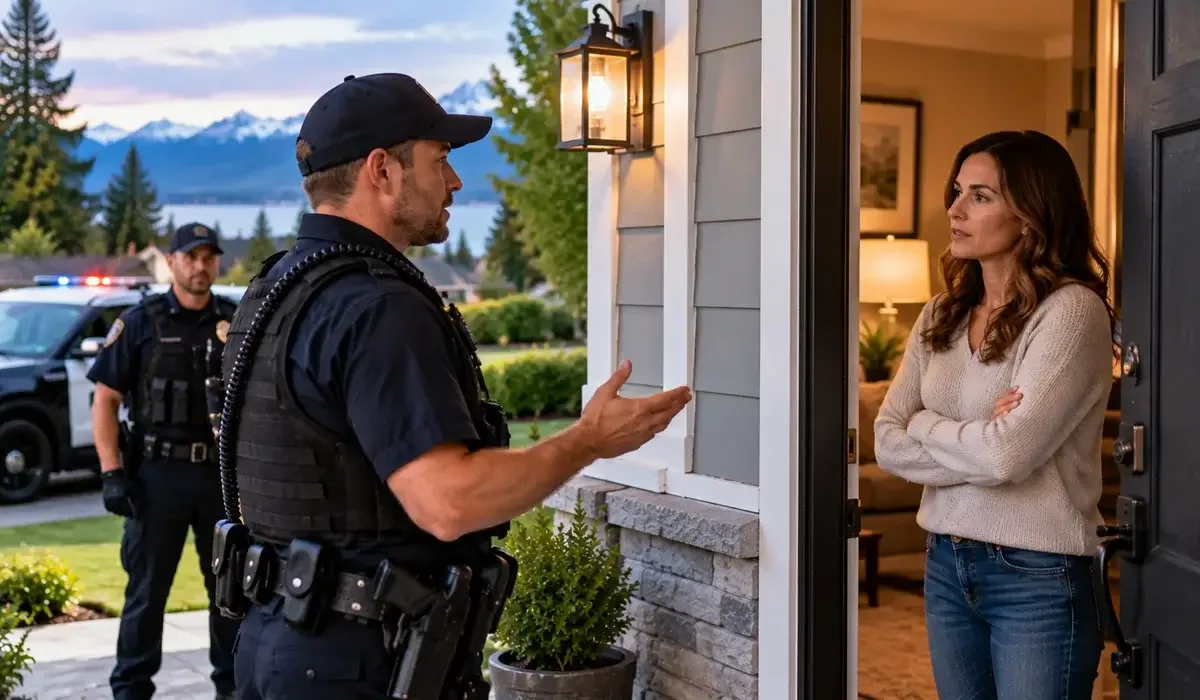
You have the right to decline a request to search your car or home. Politely saying no is not an admission of guilt, and it doesn't give police a reason to assume you've done something wrong. Staying calm and respectful while declining is usually the wisest approach.
If officers proceed with a search anyway, it's best not to physically interfere. Instead, remember the details of what happened and contact an attorney as soon as you can. Those details can matter a great deal later.
When a Search May Have Been Unlawful
If police searched your car or home without a warrant or a valid exception, the search may have violated your rights. When that happens, the law provides a remedy. Your attorney can file a motion asking the court to suppress evidence that came from an unlawful search, which means the court may not allow the state to use it against you.
This is one of the most important tools in a defense. A knowledgeable Bellingham criminal defense attorney can review exactly how a search unfolded and determine whether it followed Washington law.
How the Law Office of David A. Nelson Can Help
David A. Nelson has been practicing criminal law for over 30 years. He has successfully represented defendants in murder cases, sex offenses, drug cases, and federal cases. Additionally, the firm provides experienced and ethical criminal defense representation across all types of felony cases in Whatcom County.
Search and seizure issues turn on precise facts, from how officers approached your property to what they said and did. Every case is different, so no honest attorney can promise a result, but a Bellingham criminal defense lawyer can examine whether a search was lawful and how that affects your options.
Cost is a fair thing to consider as well. If knowing your expenses up front matters to you, it's worth asking whether an attorney offers a Bellingham flat fee criminal defense arrangement so you can plan with confidence.

Getting Help in Whatcom County
Understanding when police can legally search your car or home puts you in a stronger position to protect your rights. If you believe a search may have been unlawful, careful legal review is the best next step. Early legal representation gives you the most options, contact David Nelson today.
This post is intended for general informational purposes only and does not constitute legal advice. Every case is different. If you are facing criminal charges in Whatcom County, contact the Law Office of David A. Nelson to discuss your specific situation.
