What Rights Do You Have During a Police Encounter in Washington
The Law Office of David A. Nelson works with clients in Whatcom County who often wish they had known their rights before an encounter with law enforcement went in an unexpected direction. Understanding what you're entitled to during a police encounter in Washington State isn't just useful knowledge. It's the foundation of protecting yourself from the moment contact begins.
This post is intended for general informational purposes only and does not constitute legal advice. Every case is different. If you are facing criminal charges in Whatcom County, contact the Law Office of David A. Nelson to discuss your specific situation.
The Right to Remain Silent
The Fifth Amendment to the United States Constitution protects you from being compelled to incriminate yourself. In practical terms, this means you have the right to remain silent during any police encounter, whether you're being stopped on the street, questioned in your home, or placed under arrest.
In Washington State, you can invoke your right to remain silent by clearly and calmly stating that you are exercising your right to remain silent. Once you've said that, you don't need to say anything further. Continuing to talk, even to explain yourself or clarify a misunderstanding, can provide information that's used against you later in ways you didn't anticipate.
What You Do Need to Provide
Washington law does require that you identify yourself to law enforcement if you've been lawfully detained. Under RCW 46.61.021, a driver must provide their name, address, and vehicle registration when stopped for a traffic infraction. In other detention contexts, providing your name is generally required. But providing your name is different from answering questions about where you've been, what you've been doing, or who you were with. You can and should decline to answer those questions.
Related: Can You Get a Criminal Record Expunged in Washington State

The Right to Refuse Consent to a Search
You have the right to refuse a warrantless search of your person, vehicle, or home. Law enforcement needs either your consent, a warrant, or a recognized exception to the warrant requirement to conduct a legal search.
If an officer asks to search your car or home, you can calmly and clearly state that you do not consent to the search. Refusing consent is not an admission of guilt. It's the exercise of a constitutional right. An officer may still conduct a search if they believe a recognized exception applies, such as probable cause or exigent circumstances, but your refusal is legally meaningful and may matter significantly in any subsequent court proceeding.
What Happens If You Consent
If you consent to a search, anything found can typically be used against you. Consent removes the legal hurdle that would otherwise require the officer to establish probable cause or obtain a warrant. Once given, consent is difficult to undo. This is why Bellingham criminal defense attorneys consistently advise clients never to consent to a search, regardless of whether they believe they have anything to hide.
The Right to an Attorney
If you're placed under arrest in Washington State, you have the right to an attorney. This right exists from the moment of custody. You can invoke it by clearly stating that you want to speak with a lawyer before answering any questions.
Once you've invoked your right to counsel, law enforcement is required to stop questioning you until an attorney is present. If you can't afford an attorney, one will be appointed for you. But the right is only effective if you actually invoke it. Remaining quiet and hoping the questioning stops is not the same as asserting your right to counsel.
Why This Matters From the Start
The decisions made in the first hours after an arrest can have consequences that extend throughout the entire case. Statements made before an attorney is present, even statements that seem explanatory or helpful, can be used by the prosecution in ways that are difficult to counter. A Bellingham criminal defense lawyer who is present from the beginning is in a position to protect your interests at every stage, not just the ones that come later.
Your Rights During a Traffic Stop
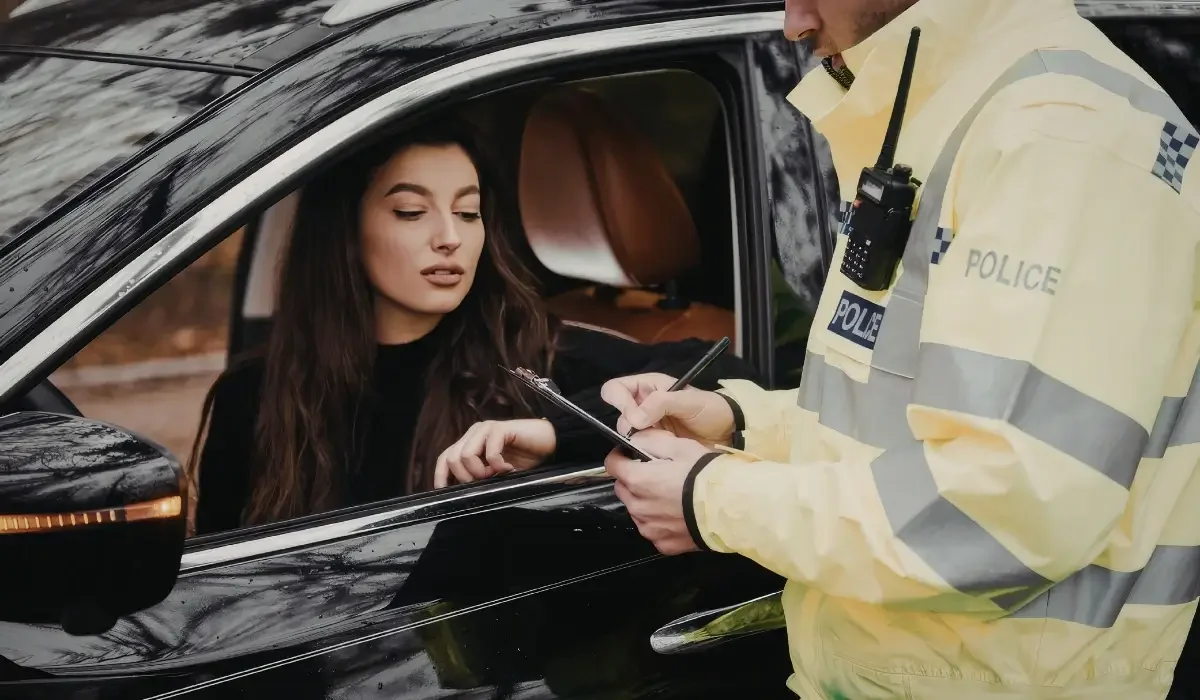
Traffic stops are one of the most common forms of police encounters in Bellingham and throughout Whatcom County. Your rights during a traffic stop are the same constitutional rights that apply in any other encounter, but the dynamics of a traffic stop create specific situations worth understanding.
You're required to pull over promptly when signaled by law enforcement. You should provide your driver's license, vehicle registration, and proof of insurance when asked. Beyond these requirements, you have the right to remain silent. You don't have to answer questions about where you're going, where you've been, or whether you've been drinking. You don't have to consent to a search of your vehicle.
If you believe a stop is unlawful or that an officer has violated your rights, the roadside is not the place to contest it. The way to challenge an unlawful stop is in court, with experienced legal representation, not by arguing or resisting in the moment.
What to Do If You're Arrested in Bellingham
If you're placed under arrest in Bellingham or anywhere in Whatcom County, a few consistent actions protect your rights most effectively.
Stay calm. Don't argue with the arresting officer or resist physically, even if you believe the arrest is unlawful.
Invoke your rights clearly. State that you are exercising your right to remain silent and that you want to speak with a Bellingham criminal defense attorney before answering any questions.
Don't make statements. Don't try to explain what happened, minimize the situation, or convince officers that a misunderstanding has occurred. Wait for your attorney.
Contact an attorney as soon as you're able to. The sooner experienced criminal defense counsel is involved, the more options are available to you.
Related: What to Expect at Your First Court Appearance in Whatcom County

About the Law Office of David A. Nelson
David A. Nelson has been practicing criminal law for over 30 years. He's successfully represented defendants in murder cases, sex offenses, drug cases, and federal cases. His practice handles all types of felony cases in Whatcom County, including assault cases involving domestic violence and non-domestic violence, drug cases, sex offenses, property crimes, embezzlement, and other felony matters.
The firm accepts only flat fees for criminal cases, with a clear fee agreement signed by both the attorney and the client before any work begins. There are no hidden fees or costs. David Nelson believes you should feel extremely comfortable with your attorney and the relationship before making any decision. There's no pressure, no scare tactics, and no unrealistic promises.
If you're facing criminal charges following a police encounter in Bellingham, Whatcom County, or the surrounding area, early legal representation gives you the most options. Contact David Nelson today.
Reach the Law Office of David A. Nelson at (360) 676-1459 or by email at info@davidnelsonlaw.com. The office is located at 301 Prospect Street, Bellingham, WA 98225.
Reference: Washington State Legislature. RCW 46.61.021 — Duty to give information and render aid. Revised Code of Washington. Retrieved from https://app.leg.wa.gov/rcw/default.aspx?cite=46.61.021
This post is intended for general informational purposes only and does not constitute legal advice. Every case is different. If you are facing criminal charges in Whatcom County, contact the Law Office of David A. Nelson to discuss your specific situation.
