If you've been accused of domestic violence in Washington, the hours right after the accusation can carry real weight, and the Law Office of David A. Nelson helps people in Whatcom County steady themselves and respond wisely. The early choices you make often influence how the rest of your case unfolds.
Domestic violence cases move quickly in Washington, and a lot can happen in the first few days. Understanding what to expect, and what to do, helps you protect your rights during a stressful time. Here's a clear look at the first 72 hours and why they matter so much.
Why the First 72 Hours Matter
The period right after a domestic violence accusation sets the foundation for everything that follows. Arrests often happen fast, courts act quickly, and important conditions can be put in place before you've had much time to think.
None of this means your situation is hopeless. It simply means that informed, careful decisions early on can make a meaningful difference. A Bellingham criminal lawyer can help you understand the process and avoid missteps while everything is moving fast.
Related: What to Know Before Accepting a Public Defender in Whatcom County
Hour One: Washington's Mandatory Arrest Law
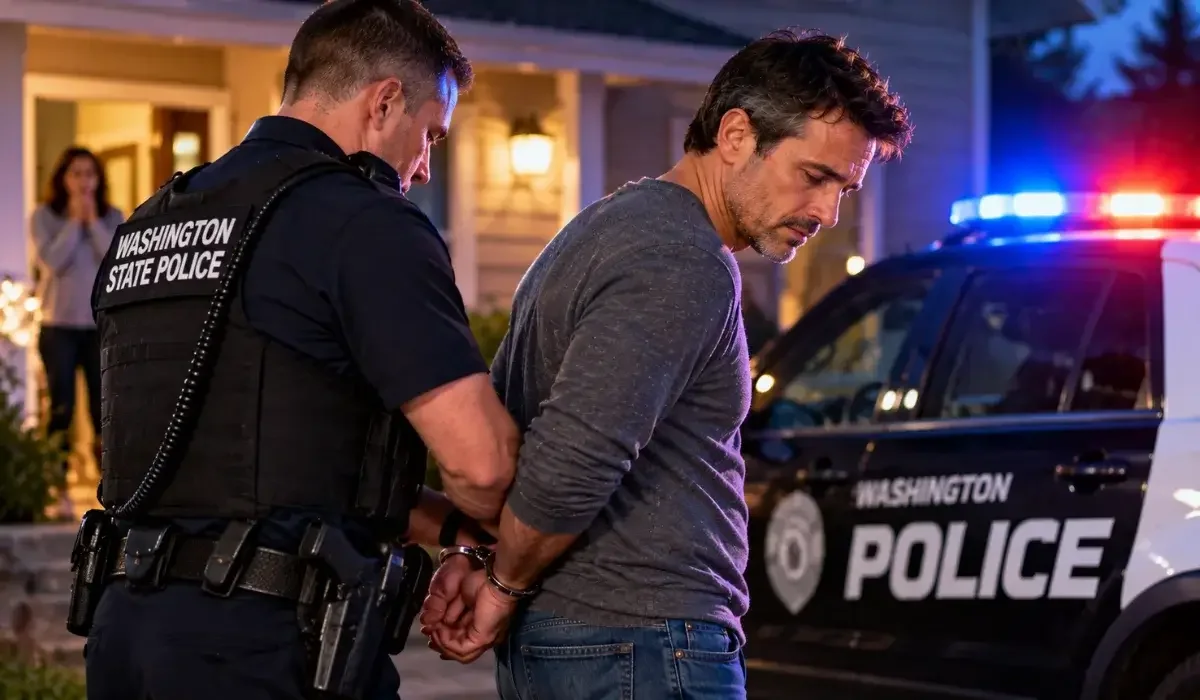
One of the first things to understand is that Washington has a mandatory arrest law for domestic violence situations. Under RCW 10.31.100, when officers respond to a domestic violence call and have probable cause to believe an assault occurred within the preceding hours, they're generally required to make an arrest.
This surprises many people. Officers don't have the same discretion they might have in other situations, and an arrest can happen even when the accusation is disputed or the alleged victim doesn't want charges filed. Understanding this helps explain why so much happens so quickly.
What to Do During and After the Arrest
Stay calm and avoid arguing or resisting, even if you believe the accusation is false. This is also the moment to exercise your right to remain silent. You can politely say you don't wish to answer questions and that you want to speak with an attorney. A Bellingham criminal defense attorney can speak on your behalf, which helps prevent statements from being misunderstood or used against you later.
The Booking Process and First Decisions
After an arrest, you'll typically be booked, and the court will address your release. In domestic violence cases, the court often considers conditions designed to protect the alleged victim while the case is pending.
This is where early decisions start to matter. Whether and how you're released, and what conditions apply, can shape the days and weeks ahead. Having guidance during this window helps you understand what's happening and what each condition means for you.
Related: How Bail and Pretrial Release Work in Washington Criminal Cases
The No-Contact Order
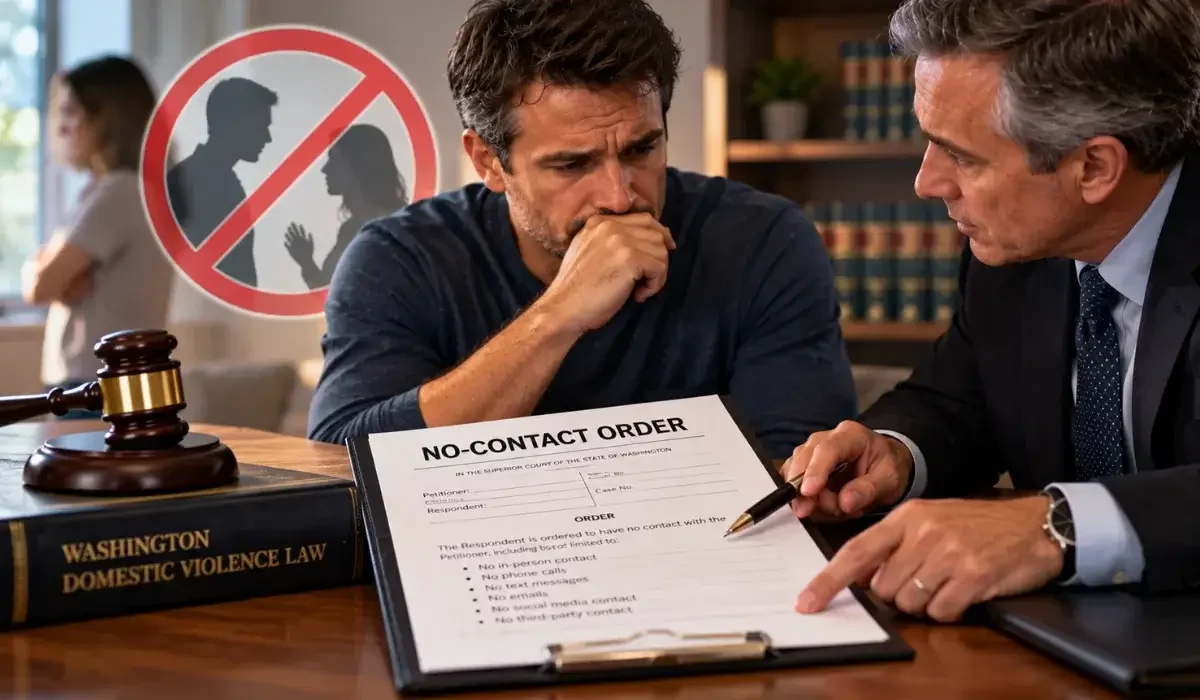
One of the most significant things that can happen early is the entry of a no-contact order. Washington addresses these orders in chapter 10.99 of the Revised Code of Washington, the state's domestic violence response law.
When a person is released before arraignment, the court may prohibit contact with the alleged victim as a condition of release. The court also decides at arraignment whether to issue or continue a no-contact order while the case is pending. In some situations, an order entered before charges are filed can expire within 72 hours if no charges follow, which is one more reason this early window is so important.
Why You Must Follow a No-Contact Order Exactly
A no-contact order is serious, and following it precisely is essential. Willful violation of the order is a separate criminal offense, and the order itself states this. That means even well-intentioned contact, such as reaching out to explain or apologize, can create a brand new charge on top of the original accusation.
If you share a home, children, or finances with the person protected by the order, these restrictions can feel overwhelming. A Bellingham domestic violence attorney can help you understand exactly what the order allows and prohibits, and can address issues like belongings or parenting arrangements through the proper channels.
What to Do in Those First Hours
While every case is different, a few steps tend to help in the early days after a domestic violence accusation.
First, remain silent beyond providing basic identifying information, and ask for a lawyer. Second, follow any no-contact order or release condition to the letter, without exception. Third, avoid discussing the case with anyone other than your attorney, including on the phone from jail, where calls are often recorded. Fourth, stay off social media and avoid posting anything about the accusation or the other person.
Preserve What Supports You
Start thinking about evidence that may help your defense. Text messages, emails, photos, call logs, and the names of any witnesses can all matter. Memories fade and records can disappear, so keeping this information safe early is valuable. You don't need to organize it perfectly. Simply preserving it and sharing it with your attorney gives your defense something concrete to work with.
Why Early Legal Guidance Matters
The first 72 hours involve fast-moving decisions, and having experienced counsel during that time helps you respond thoughtfully rather than react under pressure. An attorney can help protect your rights, explain your release conditions, and begin building a defense from the start.
Acting early tends to open up more options. It allows your attorney to understand the facts while they're fresh, address conditions that affect your daily life, and prepare for what comes next. A Bellingham criminal defense lawyer can give your case focused attention from the beginning.
Related: What to Expect at Your First Court Appearance in Whatcom County

How the Law Office of David A. Nelson Can Help
David A. Nelson has been practicing criminal law for over 30 years. He has successfully represented defendants in murder cases, sex offenses, drug cases, and federal cases, and the firm provides experienced and ethical criminal defense representation across all types of felony cases in Whatcom County.
That experience covers assault cases involving both domestic violence and non-domestic violence, drug cases, sex offenses, property crimes, embezzlement, and other felony cases. Domestic violence cases are sensitive and move quickly, and every case turns on its own facts, so no honest attorney can promise a particular result. What experienced counsel can offer is steady guidance, careful preparation, and a clear explanation of your options.
Cost is a fair thing to consider as well. If knowing your expenses up front matters to you, it's worth asking whether an attorney offers a Bellingham flat fee criminal defense arrangement so you can plan with confidence.
Getting Help in Whatcom County
The first few days after a domestic violence accusation can feel chaotic, but you don't have to navigate them alone. Understanding the process and getting guidance early puts you in a stronger position to protect your rights. Early legal representation gives you the most options, contact David Nelson today.
This post is intended for general informational purposes only and does not constitute legal advice. Every case is different. If you are facing criminal charges in Whatcom County, contact the Law Office of David A. Nelson to discuss your specific situation.
